Small Steps, Big Calm at Work
Discover how tiny, repeatable actions reshape your day. Today we explore micro-habits for managing stress during the workday, blending science, stories, and practical prompts you can apply in minutes. Build steadier energy, clearer focus, and kinder boundaries without overhauling your schedule. Share your wins and questions below, and subscribe for weekly prompts.
Anchoring Your Morning Momentum
Before inbox turbulence starts, a few grounded actions can set a calmer tone that lasts. Neuroscience shows early cues prime attention and emotional regulation; even sixty seconds matter. We’ll pair breath, posture, and hydration with existing routines so change feels frictionless. Test one idea tomorrow morning, then tell us what you noticed.
One-Minute Box Breathing
Close your eyes, inhale for four, hold for four, exhale for four, hold for four, repeating five cycles. This simple cadence activates the parasympathetic system, lowering heart rate and reactivity. I use it before opening email; the inbox looks smaller after sixty seconds. Try it at your desk and share a quick note.
Posture Reset at First Login
As your computer wakes, lengthen your spine, drop shoulders, and float your chin back so ears stack over shoulders. Two slow breaths while palms rest on thighs signal safety to your nervous system. Better posture improves mood and focus. Anchor this reset to your login screen, then tell us whether meetings feel different today.
Micro-Resets Between Meetings
Back-to-back calls compress attention and amplify tension. Research shows even ninety seconds of intentional recovery lowers stress reactivity and improves subsequent performance. We will weave movement, perspective, and pausing into tiny transitions you can actually keep. Experiment between two meetings today, then leave a comment describing what felt easiest and most refreshing.
Stand, walk to the farthest point in your room, touch a wall, and return at a relaxed pace while breathing through your nose. Light movement boosts blood flow and reduces muscle bracing. Notice three non-work details on your path to refresh perspective. Share whether this tiny circuit changes your tone entering the next conversation.
Before answering a question, silently take one complete breath and confirm the actual ask in ten words or fewer. This micro-delay recruits cognitive control and prevents reactive misfires. It also makes you sound thoughtful. Try it in chat and email, then note how often clarification replaces urgency and confusion.
Keep a small notebook open beside your keyboard. Draw a horizontal line before each new task and write one sentence beginning with, “Now I am focusing on…” This tiny ritual marks context change, reduces lingering thought loops, and clarifies intention. After a week, share whether your attention transitions feel cleaner and kinder.

Gentle Body Care at the Desk
Your body whispers first when stress rises: tight jaw, shallow breath, rigid shoulders. Small, repeatable movements teach safety and restore mobility without derailing productivity. Evidence links micro-breaks to lower musculoskeletal pain and fewer errors. Choose one practice below and pair it with a calendar alert. Tell us which sensation changed most by day’s end.
20-20-20 Eye Ritual
Every twenty minutes, look at something roughly twenty feet away for twenty seconds while gently blinking. This simple pattern relaxes ciliary muscles and reduces screen strain. Add three slow eye circles afterward to lubricate. Set a vibrating timer for one day and share headaches, focus, and visual comfort changes you experience.
Shoulder Roll Ladder
Sitting still encourages your upper traps to grip. Roll shoulders forward five times, up five, back five, then reverse the sequence, breathing slowly. Gentle repetition decreases protective bracing and restores circulation. Research on micro-breaks shows decreased discomfort and increased accuracy. Track how this ladder influences typing ease and emotional patience during deadlines.
Feet Grounding Scan
Place both feet flat, widen toes inside your shoes, and feel the floor’s support evenly on heels and balls. Exhale longer than you inhale. This simple interoceptive check-in reduces anxious drift by returning attention to safe sensations. After three tries today, comment whether your internal chatter softened and decisions felt steadier.
Cognitive Clarity in Small Bites
Stress swells when tasks feel amorphous. Brief, repeatable thinking routines can shrink uncertainty and free working memory. Studies on implementation intentions show that specifying next steps increases follow-through. We will practice tiny planning, gentle focus sprints, and gratitude to balance urgency with perspective. Share your favorite tweak and why it sticks for you.
Social Habits That Lower Pressure
When groups normalize small kindnesses and clarity, pressure eases without sacrificing accountability. Brief check-ins, explicit boundaries, and reflective debriefs reduce misunderstandings and preserve energy. Research on psychological safety links these behaviors to learning and performance. Try one today, invite a teammate to join, and let us know how the vibe shifted.
Closing the Day with Ease
How you finish today shapes tomorrow’s load. A gentle shutdown routine signals your brain the challenge window is closing, improving recovery and sleep. We will reflect briefly, stage a single next step, and close digital loops. Try all three once this week, then tell us how your evening and morning changed.
Last Five Reflection
Spend five minutes listing today’s wins, hard moments, and one lesson. Label feelings without analysis. This short reflection consolidates learning and reduces rumination, which supports sleep quality. Keep the page visible tomorrow as context. Comment after three days whether your emotional residue decreased and focus rose sooner after logging in.

Tomorrow’s First Step
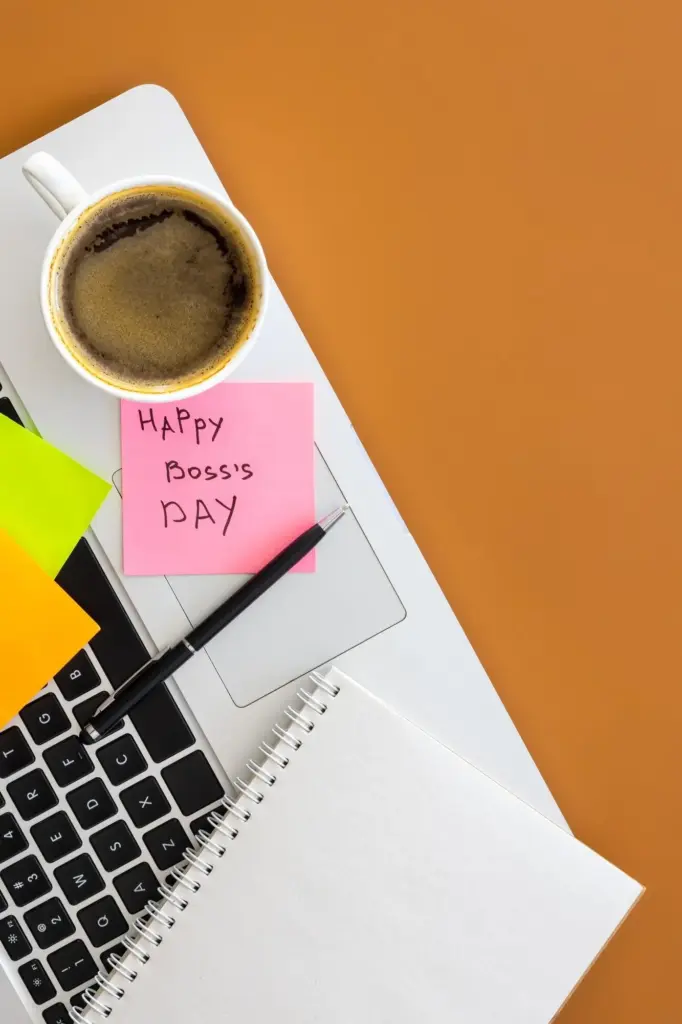
Before closing your laptop, stage tomorrow’s first micro-step: open the document you’ll edit, place a sticky note with the first sentence, or queue the repository. Implementation intentions increase follow-through by removing ambiguity. Tell us whether beginning felt quicker, and if that early momentum softened stress in your first hour.
All Rights Reserved.